2026 College Admissions: The Critical 3-Month Window Explained
Advertisements
The Critical 3-Month Window: Preparing for 2026 College Admissions Deadlines in the U.S. (TIME-SENSITIVE) is now upon us, demanding immediate attention from students and families. This period is pivotal for securing a spot in higher education, with key application components needing finalization.
Understanding the intricate timeline and specific requirements is essential for navigating this competitive landscape effectively. Our report provides verified insights and actionable steps to help prospective applicants meet these crucial deadlines.
We focus on what has changed, why these deadlines are critical, and what strategies can optimize your application process. This guide acts as a direct resource for those aiming for 2026 college admissions in the U.S.
The Critical 3-Month Window: Preparing for 2026 College Admissions Deadlines in the U.S. (TIME-SENSITIVE) is rapidly approaching, marking a crucial period for high school students nationwide. As the academic year progresses, the intensity of college applications escalates, with many institutions setting early action and early decision deadlines within this timeframe.
This tight schedule necessitates meticulous planning and proactive engagement from prospective applicants. Students must now finalize essays, secure recommendation letters, and organize test scores to submit competitive applications.
The current landscape of 2026 college admissions deadlines in the U.S. emphasizes the need for informed decision-making and strategic execution. This article will dissect the key aspects of this critical period, offering guidance for a successful application journey.
Understanding the Urgency of the 3-Month Window
The three-month window leading up to primary college application deadlines represents a high-stakes period for students. Many early action and early decision deadlines fall between October and November, making the preceding months vital for preparation.
This timeframe is not just about submitting applications; it involves refining personal statements, coordinating with counselors, and potentially retaking standardized tests. The pressure to present a comprehensive and compelling profile is immense.
Students who leverage this critical window effectively significantly enhance their chances of admission to their preferred institutions. Proactive engagement during this period can alleviate stress and improve application quality.
Key Deadlines and Their Implications
Early Action (EA) and Early Decision (ED) deadlines are often the first major hurdles students face. These typically occur in late October or early November, offering applicants a chance to receive earlier admission decisions.
EA is non-binding, allowing students to apply to multiple institutions and compare offers. ED, however, is binding, meaning accepted students commit to attending that specific university.
Regular Decision (RD) deadlines usually extend into January or February of the following year, providing more time but often resulting in later notification dates. Understanding these distinctions is crucial for strategizing application submissions.
- Early Action (EA) applications offer early notification without commitment.
- Early Decision (ED) applications are binding and require a commitment upon acceptance.
- Regular Decision (RD) provides a broader application window but later results.
- Rolling Admissions review applications as they are received, often without a fixed deadline.
Strategic Planning for 2026 College Admissions Deadlines
Effective planning is the cornerstone of a successful college application process within this critical window. Students should create a detailed timeline that outlines all necessary tasks and their corresponding deadlines.
This includes identifying target schools, understanding their specific requirements, and allocating sufficient time for each component. A well-structured plan helps manage the workload and reduces last-minute stress.
Ignoring this strategic approach can lead to rushed applications, missed opportunities, and increased anxiety, directly impacting a student’s chances of admission.

Crafting Compelling Personal Statements
Personal statements and essays are often the most challenging yet crucial parts of the application. They offer students a chance to showcase their personality, experiences, and aspirations beyond academic transcripts.
Admissions committees use these essays to gain insight into a student’s character, writing ability, and suitability for their institution. Starting early allows for multiple drafts and feedback.
A compelling essay tells a unique story, demonstrates self-awareness, and reflects genuine interest in the chosen field or university. It is a powerful tool to differentiate an applicant.
- Begin drafting essays well in advance to allow for revisions.
- Seek feedback from teachers, counselors, and trusted mentors.
- Ensure your essay reflects your authentic voice and experiences.
- Tailor essays to each university’s specific prompts and values.
Optimizing Standardized Test Scores and Transcripts
Standardized test scores, such as the SAT or ACT, remain a significant component of many college applications, even with the rise of test-optional policies. Students should decide whether to submit scores based on their performance and target schools’ requirements.
For those intending to submit scores, the three-month window provides a final opportunity for test preparation and retakes. Official transcripts, detailing academic performance, are also critical and must be requested promptly from high schools.
Ensuring that all academic records are accurate and sent to universities on time is paramount. Any discrepancies or delays can jeopardize an application during the 2026 college admissions deadlines in the U.S.

Securing Strong Letters of Recommendation
Letters of recommendation provide external validation of a student’s character, academic abilities, and potential. Teachers, counselors, and sometimes employers are typically asked to write these letters.
Students should approach recommenders well in advance, providing them with necessary information like resumes, personal statements, and school lists. This allows recommenders ample time to write thoughtful and impactful letters.
A strong letter can highlight qualities and achievements that may not be evident from other parts of the application, significantly bolstering a student’s profile during the 2026 college admissions deadlines in the U.S.
Navigating Financial Aid and Scholarship Applications
The financial aspect of college attendance is a major concern for many families. During the critical three-month window, students and parents must also focus on financial aid applications, including the FAFSA (Free Application for Federal Student Aid) and CSS Profile.
These forms require detailed financial information and often have deadlines that coincide with or even precede application submission dates. Delays in submitting financial aid forms can impact eligibility for grants, scholarships, and loans.
Researching and applying for external scholarships is another vital step. Many scholarships have early application windows that fall within this critical period, making proactive searching essential.
Understanding Scholarship Opportunities
Scholarships can significantly reduce the financial burden of college. They come from various sources, including universities, private organizations, and community groups.
Students should explore both merit-based and need-based scholarships, as well as those specific to their academic interests, extracurricular activities, or demographics. Early research can uncover opportunities that align with their profile.
Completing scholarship applications often requires essays, recommendations, and transcripts, mirroring the college application process itself. Therefore, integrating scholarship applications into the overall timeline is crucial.
- Start researching scholarships early, both institutional and external.
- Pay close attention to scholarship-specific deadlines, which can vary widely.
- Tailor application essays and materials to each scholarship’s criteria.
- Maintain a separate tracking system for scholarship applications.
The Role of Extracurricular Activities and Portfolios
Beyond academics and test scores, colleges are increasingly looking for well-rounded individuals who demonstrate leadership, commitment, and passion through their extracurricular activities. The activities section of an application should highlight significant involvement and impact.
For students applying to arts programs, submitting a portfolio of their work is often a mandatory component. This requires careful curation and adherence to specific submission guidelines and deadlines.
Ensuring that these supplementary materials are polished and submitted on time is crucial for presenting a holistic and competitive application during the 2026 college admissions deadlines in the U.S.
Presenting a Balanced Profile
A balanced application showcases not only academic excellence but also personal growth, community engagement, and unique talents. This holistic review process considers all facets of a student’s profile.
Students should articulate how their extracurricular involvement has shaped them and contributed to their development. Highlighting leadership roles, volunteer experiences, and awards can significantly strengthen an application.
The goal is to demonstrate that the applicant will be a valuable addition to the university community, both inside and outside the classroom. This comprehensive approach is key to navigating the 2026 college admissions deadlines in the U.S.
Seeking Guidance and Support During the Application Process
The college application journey can be overwhelming, but students do not have to navigate it alone. High school counselors, teachers, and independent educational consultants can provide invaluable guidance and support.
Counselors often have extensive knowledge of the admissions process, specific university requirements, and financial aid options. Their expertise can help students avoid common pitfalls and optimize their applications.
Regular communication with these support systems is essential, especially within the critical three-month window. This ensures all necessary components are addressed and deadlines are met for the 2026 college admissions deadlines in the U.S.
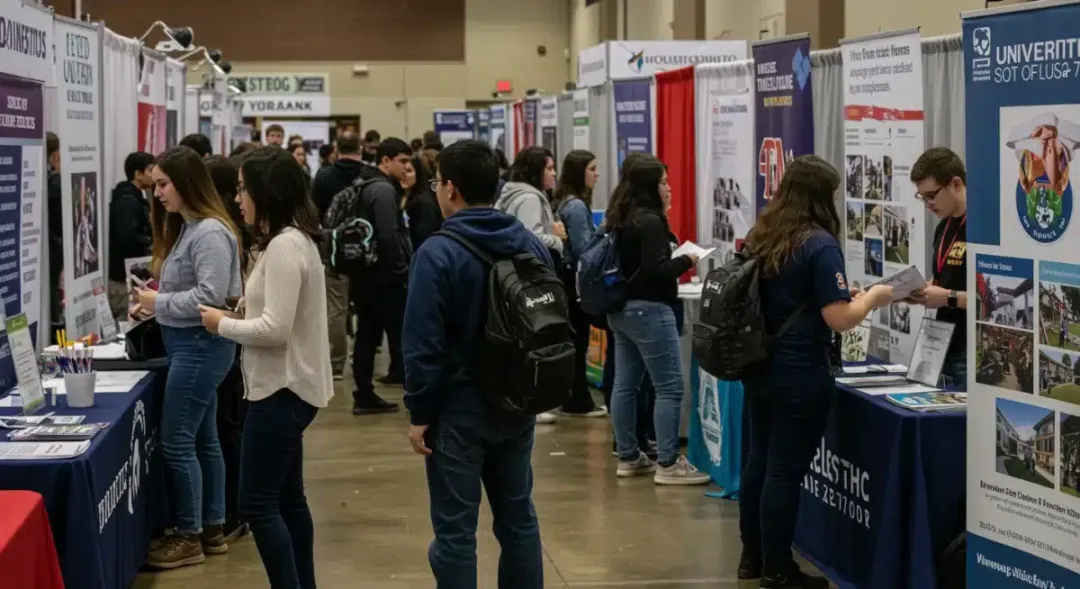
Leveraging Online Resources and Workshops
Numerous online resources, workshops, and college fairs are available to assist students. Websites like the College Board, ACT, and individual university admissions pages offer a wealth of information on deadlines, requirements, and application tips.
Participating in virtual or in-person college fairs allows students to interact directly with admissions representatives and gather specific insights. These events can clarify doubts and provide a deeper understanding of institutional cultures.
Utilizing these resources effectively can streamline the application process and ensure students are well-informed at every step. This is particularly important for meeting the 2026 college admissions deadlines in the U.S.
The Importance of Proofreading and Final Review
Before submitting any application, thorough proofreading and a final review are absolutely critical. Even minor errors in grammar, spelling, or factual information can detract from an otherwise strong application.
Students should meticulously review every section of their application, including essays, activity lists, and personal details. Having a second pair of eyes, such as a parent, teacher, or counselor, can catch mistakes that might be overlooked.
A polished, error-free application reflects attention to detail and professionalism, which are highly valued by admissions committees. This final check is indispensable for anyone aiming to meet the 2026 college admissions deadlines in the U.S.
Double-Checking Submission Requirements
Each university may have unique submission requirements, such as specific document formats, supplementary essays, or portfolio guidelines. It is crucial to double-check these details for every institution.
Missing a specific requirement or submitting an incorrect format can lead to an application being deemed incomplete. This can result in delays or even rejection, regardless of the applicant’s qualifications.
Creating a checklist for each university can help ensure all components are submitted correctly and on time. This meticulous approach is vital during the intense period of 2026 college admissions deadlines in the U.S.
Maintaining Well-being During a Stressful Period
The college application process, particularly within the critical three-month window, can be incredibly stressful for students. Balancing academic responsibilities with application tasks and personal life demands resilience.
It is essential for students to prioritize their mental and physical well-being during this intense period. Taking breaks, engaging in stress-reducing activities, and getting adequate rest can prevent burnout.
Support from family and friends also plays a crucial role in managing stress and maintaining a positive outlook. A healthy mindset is as important as a strong application for navigating the 2026 college admissions deadlines in the U.S.
Strategies for Stress Management
Implementing effective stress management techniques can make a significant difference in a student’s ability to cope with application pressures. This includes scheduling downtime and pursuing hobbies.
Mindfulness practices, exercise, and maintaining a balanced diet are also beneficial. Open communication with parents and counselors about feelings of overwhelm can lead to timely support.
Remembering that the application process is a journey, not just a destination, helps maintain perspective. Focus on the steps and celebrate small achievements along the way to successfully conquer the 2026 college admissions deadlines in the U.S.
| Key Aspect | Description |
|---|---|
| Deadline Urgency | Early Action and Early Decision deadlines fall within this critical period. |
| Application Components | Essays, recommendations, test scores, and financial aid forms require immediate attention. |
| Strategic Planning | Develop a detailed timeline and seek guidance from counselors and resources. |
| Well-being | Prioritize mental and physical health to manage stress effectively during this intense period. |
Frequently Asked Questions About 2026 College Admissions Deadlines
What is the most important aspect of the 3-month window for 2026 college admissions deadlines?▼The most important aspect is the finalization and submission of early action and early decision applications. This period is critical for submitting well-prepared essays, securing recommendations, and ensuring all supplementary materials are complete and accurate. Proactive engagement can significantly enhance admission prospects.
How can students effectively manage their time during this critical period?▼Students can manage time effectively by creating a detailed application timeline, prioritizing tasks, and breaking down large tasks into smaller, manageable steps. Utilizing calendars, setting reminders, and regularly checking in with counselors can help maintain organization and prevent last-minute rushes for 2026 college admissions deadlines.
Are standardized test scores still mandatory for 2026 college admissions?▼While many universities have adopted test-optional policies, standardized test scores (SAT/ACT) are still a significant component for numerous institutions. Students should research the specific requirements of their target schools and decide whether submitting scores will strengthen their application for the 2026 college admissions deadlines.
What role do financial aid applications play in this 3-month window?▼Financial aid applications, such as FAFSA and CSS Profile, are crucial and often have deadlines coinciding with application dates. Timely submission is essential for eligibility for federal and institutional aid. Students should complete these forms accurately and promptly to maximize their financial assistance opportunities for 2026 college admissions deadlines.
What resources are available for students needing support during this stressful time?▼Students can access support from high school counselors, teachers, and independent educational consultants. Online resources like university admissions websites and college planning platforms also offer valuable guidance. Prioritizing mental well-being through breaks and stress-reducing activities is also vital during the 2026 college admissions deadlines in the U.S.
Looking Ahead
The Critical 3-Month Window: Preparing for 2026 College Admissions Deadlines in the U.S. (TIME-SENSITIVE) serves as a stark reminder of the intensity and strategic demands of the college application process. Successfully navigating this period requires not just academic preparation, but also meticulous planning, effective time management, and a strong support system.
As deadlines approach, students must remain focused on refining their applications, securing necessary documents, and managing their well-being. The insights provided here aim to equip applicants with the knowledge and strategies needed to confidently pursue their higher education goals.
Future developments in admissions policies and financial aid opportunities should be continuously monitored, as they can further influence the landscape for the 2026 college admissions deadlines in the U.S. Staying informed and adaptable will be key to success.