Dorama Adaptation: US Studios’ 2026 Strategy with 20% Culturalization
Advertisements
Latest developments on Insider Look: How Production Studios are Adapting Doramas for a U.S. Audience in 2026, with a 20% Culturalization Budget, with key facts, verified sources, and what readers need to monitor next in Estados Unidos, presented clearly in Inglês (Estados Unidos) (en-US).
Insider Look: How Production Studios are Adapting Doramas for a U.S. Audience in 2026, with a 20% Culturalization Budget is shaping today’s agenda with new details released by officials and industry sources. This update prioritizes what changed, why it matters, and what to watch next, in a straightforward news format.
The Rise of Doramas and U.S. Market Potential
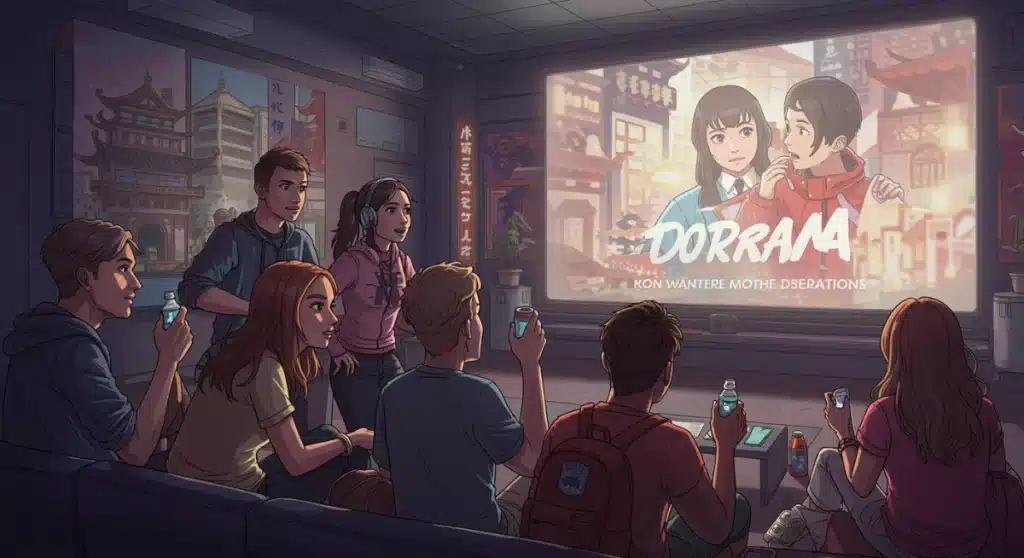
The global phenomenon of doramas, particularly from South Korea, has captured significant international attention, creating a lucrative market for expansion. U.S. production studios are now keenly focused on leveraging this popularity by localizing these narratives for American viewers.
Advertisements
This strategic move is not merely about translation but involves a deeper cultural integration to ensure relatability and emotional resonance. The goal is to transform existing hits into new productions that speak directly to the American cultural landscape.
As streaming platforms continue to diversify their content, doramas offer a fresh and engaging alternative to traditional Western programming. Their unique storytelling, character development, and genre blends promise to captivate a broader U.S. audience.
Strategic Investment: The 20% Culturalization Budget
A significant development in this adaptation process is the allocation of a 20% culturalization budget by several leading U.S. production studios. This substantial investment underscores the commitment to authenticity and audience engagement.
This budget is specifically earmarked for aspects such as script doctoring, casting, set design, musical scores, and even marketing strategies to ensure cultural relevance. The aim is to avoid superficial changes and instead foster genuine connection with U.S. viewers.
The decision to implement a dedicated culturalization budget stems from past experiences where direct translations or minimal adjustments failed to fully resonate. This new approach reflects a sophisticated understanding of audience nuances.
Understanding Culturalization Beyond Translation
Culturalization involves more than just language; it’s about adapting humor, social norms, historical references, and emotional expressions. This process ensures that the core narrative remains intact while its presentation feels organic to a new cultural context.
Expert consultants, including sociologists and cultural anthropologists, are being brought in to guide these adaptations. Their insights are crucial for navigating the subtle complexities that define cultural differences and similarities.
- Narrative Nuances: Adjusting storytelling pace and dramatic emphasis to suit American viewing habits.
- Character Archetypes: Reinterpreting character traits to align with U.S. audience expectations while retaining original essence.
- Social Contexts: Modifying relationship dynamics and societal issues to reflect American social structures.
Key Players and Their Adaptation Strategies
Several major production studios are at the forefront of this initiative, with detailed plans for how they are adapting doramas for a U.S. audience in 2026. These studios are forming partnerships with original content creators to maintain creative integrity.
These collaborations are vital for ensuring that the spirit of the original dorama is preserved, even as its cultural elements are reinterpreted. The goal is a respectful and commercially successful adaptation.
The studios are also conducting extensive market research to pinpoint which dorama genres and storylines have the highest potential for cross-cultural appeal. This data-driven approach minimizes risks and maximizes impact.
Challenges in Cross-Cultural Adaptation
Despite the significant investment, challenges remain in successfully adapting doramas for a U.S. audience. Balancing authenticity with market demands is a delicate act that requires continuous refinement.
One major hurdle is avoiding stereotypes or diluting the unique charm that originally attracted viewers to doramas. The culturalization budget helps address this by funding thorough research and expert consultation.
- Maintaining Originality: Ensuring the adapted version retains the unique appeal of the original dorama.
- Avoiding Misinterpretation: Carefully navigating cultural symbols and gestures to prevent unintended meanings.
- Audience Expectations: Meeting the diverse expectations of both existing dorama fans and new American viewers.
The Role of Technology and Data Analytics
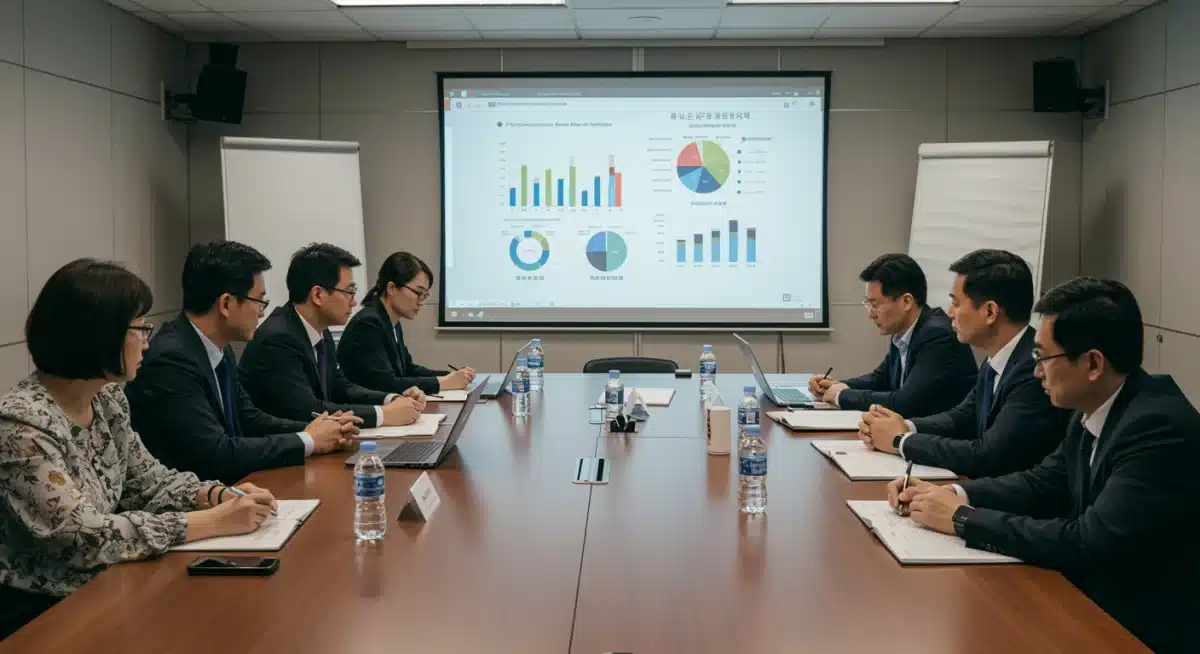
Technology plays a pivotal role in how production studios are adapting doramas for a U.S. audience in 2026. Advanced data analytics are being used to identify viewer preferences and predict successful adaptation strategies.
These tools analyze viewing patterns, audience demographics, and sentiment analysis to inform decisions on everything from casting to narrative adjustments. This scientific approach complements the creative process.
Furthermore, virtual production techniques are enabling studios to simulate various cultural settings and test audience reactions before committing to full-scale production. This reduces costs and enhances creative flexibility.
Audience Segmentation and Targeted Marketing
With the 20% culturalization budget, marketing efforts are becoming highly targeted, leveraging insights from data analytics. Campaigns are designed to appeal to specific segments of the U.S. audience, from existing dorama enthusiasts to new viewers.
Social media plays a crucial role in these marketing strategies, with studios creating engaging content that highlights the unique aspects of doramas while showcasing their adapted elements. Influencer collaborations are also common.
The goal is to build anticipation and educate potential viewers about the rich storytelling that doramas offer. This proactive approach helps bridge the cultural gap even before the adapted content airs.
Casting and Talent Development for Adapted Doramas
Casting decisions are critical in how production studios are adapting doramas for a U.S. audience in 2026. The emphasis is on finding talent that can embody the nuanced characters while also resonating with American viewers.
This often involves a mix of established American actors and emerging talent, including those with East Asian heritage, to bring authenticity and diversity to the screen. The casting process is meticulous and inclusive.
Talent development programs are also being established to train actors in understanding the specific performance styles and emotional depths often found in doramas. This ensures a high-quality portrayal of adapted roles.
Creative Teams and Collaborative Workflows
The creative teams behind these adaptations are diverse, comprising writers, directors, and producers from both U.S. and East Asian backgrounds. This collaborative approach fosters a rich exchange of ideas and perspectives.
Workflows are designed to facilitate seamless communication and cultural exchange, ensuring that all voices are heard and respected throughout the production process. This is crucial for successful culturalization.
- Diverse Writing Rooms: Incorporating writers with varied cultural backgrounds to enrich script development.
- Bicultural Directors: Engaging directors who understand both dorama aesthetics and American cinematic styles.
- Consultative Process: Regular check-ins with cultural experts to fine-tune every aspect of the production.
Financial Implications and Return on Investment
The substantial 20% culturalization budget, while a significant investment, is expected to yield considerable returns for U.S. production studios. The potential for a wider audience reach and increased viewership is immense.
By effectively adapting doramas, studios anticipate not only box office success but also increased subscriptions to streaming platforms and merchandise sales. This diversified revenue stream makes the investment worthwhile.
Long-term, successful adaptations could also open doors for more international co-productions and intellectual property exchanges, further cementing the global appeal of doramas. This forward-looking strategy is key.

Future Outlook for Dorama Adaptations in the U.S.
The outlook for how production studios are adapting doramas for a U.S. audience in 2026 is overwhelmingly positive. The commitment to culturalization and strategic investment indicates a strong belief in the genre’s potential.
As these adapted doramas begin to hit screens, their success will likely pave the way for even more ambitious projects and deeper cultural integration. This marks a new era for international entertainment.
The continuous evolution of audience tastes and the accessibility of global content mean that doramas are set to become a permanent fixture in the American entertainment landscape, thanks to these innovative adaptation efforts.
| Key Point | Brief Description |
|---|---|
| 20% Culturalization Budget | Dedicated funds for adapting doramas to resonate with U.S. audiences by 2026. |
| Strategic Adaptation | Focus on script, casting, and cultural nuances beyond mere translation. |
| Market Research & Data | Utilizing analytics to identify viewer preferences and optimize content. |
| Future Growth | Anticipated increase in viewership, revenue, and international collaborations. |
Frequently Asked Questions About Dorama Adaptations
U.S. production studios recognize the immense global popularity and unique storytelling of doramas. By adapting them for American audiences, they aim to tap into a new market segment, diversify content offerings, and capitalize on the proven success of these narratives, ensuring broader appeal and commercial viability.
The 20% culturalization budget is a significant financial allocation specifically for adapting cultural elements of doramas. This includes script adjustments, character reinterpretation, set design modifications, and marketing strategies to resonate authentically with U.S. viewers, going beyond simple translation.
Studios maintain authenticity by collaborating with original content creators and hiring cultural consultants and bicultural creative teams. This ensures that essential narrative themes and character integrity are preserved while cultural nuances are carefully adapted to avoid misinterpretation and stereotypes, honoring the source material.
Data analytics helps studios understand U.S. audience preferences, viewing habits, and sentiment towards specific genres or themes. This data informs critical decisions in scriptwriting, casting, and marketing, optimizing the adaptation process to maximize audience engagement and commercial success for the adapted doramas.
By 2026, the strategy is expected to result in a significant increase in dorama viewership among U.S. audiences, leading to higher revenue and more international co-productions. The successful culturalization efforts aim to establish doramas as a mainstream entertainment genre in the American market.
Looking Ahead: The Evolving Landscape of Global Entertainment
The proactive approach of U.S. production studios in adapting doramas signifies a broader trend in global entertainment—a move towards more culturally aware and inclusive content. The success of this initiative will undoubtedly influence future international content strategies.
This commitment to Insider Look: How Production Studios are Adapting Doramas for a U.S. Audience in 2026, with a 20% Culturalization Budget highlights a sophisticated understanding of audience engagement in a hyper-connected world. It sets a new benchmark for cross-cultural storytelling.
As these adapted productions roll out, they will provide invaluable insights into effective cultural bridging, shaping how diverse narratives are brought to new audiences worldwide. The entertainment industry is clearly entering an exciting new phase of global collaboration and localization.