Dorama vs. Reality: 4 Cultural Misconceptions Clarified for U.S. Viewers
Advertisements
This report delves into Dorama vs. Reality: 4 Cultural Misconceptions Clarified for U.S. Viewers in 2026, offering critical insights into common misunderstandings. It provides a factual analysis of how Asian dramas often diverge from everyday life, equipping audiences with a more nuanced perspective. Understanding these differences is crucial for a complete appreciation of dorama narratives and their cultural context.
Dorama vs. Reality: 4 Cultural Misconceptions Clarified for U.S. Viewers in 2026 is a topic gaining increasing relevance as the global appeal of Asian dramas continues to surge. U.S. audiences, captivated by compelling storylines and charismatic characters, often form perceptions of Asian cultures that may not fully align with reality. This article aims to dissect and clarify four pervasive cultural misconceptions, providing a more accurate lens through which to view these beloved productions.
Understanding the nuances behind dorama portrayals is essential for a richer viewing experience and a more informed appreciation of diverse societies. We will explore how dramatic license can sometimes create a gap between on-screen narratives and the lived experiences in countries like South Korea, Japan, and China, focusing on social norms, family dynamics, educational pressures, and romantic relationships.
This analysis is not intended to diminish the artistic merit of doramas but rather to empower viewers with deeper cultural literacy. By distinguishing between dramatic conventions and actual societal practices, U.S. viewers can navigate the world of Asian dramas with greater insight, fostering genuine cross-cultural understanding as we approach 2026.
The Idealized Romance Narrative vs. Real-World Relationships
One of the most prominent aspects of doramas that often leads to cultural misconceptions for U.S. viewers is the highly idealized portrayal of romantic relationships. On screen, grand gestures, fated encounters, and unwavering devotion are common, setting a high bar for romantic expectations.
This dramatic emphasis often overshadows the complexities and practicalities of modern relationships in Asian societies, where factors like family approval, financial stability, and career focus play significant roles. The intense, often fairy-tale-like progression seen in doramas is frequently a heightened reality designed for entertainment.
In reality, while devotion and respect are valued, romantic relationships in Asian cultures, much like anywhere else, are built on everyday interactions, compromises, and shared responsibilities. The dramatic tension and slow-burn romances are narrative devices, not necessarily direct reflections of dating norms.
Misconception 1: Unrealistic Romantic Expectations
Many doramas depict relationships blossoming from dramatic, almost improbable circumstances, often involving wealthy protagonists and Cinderella-esque narratives. This can lead U.S. viewers to believe that such passionate, all-consuming love stories are the norm, rather than a fictionalized ideal.
The emphasis on destiny, first loves, and overcoming monumental obstacles creates a romantic fantasy that, while entertaining, can diverge significantly from the more pragmatic and nuanced approach to relationships in real Asian societies. Understanding this distinction is crucial when examining dorama cultural misconceptions.
- Dramas often feature grand, public declarations of love, which are less common in everyday Asian dating.
- The prevalence of love triangles and intense rivalries is exaggerated for plot excitement, not a daily occurrence.
- Financial status and family background significantly influence real relationships, often more subtly than portrayed.
Misconception 2: Lack of Physical Affection in Public
Another common observation among U.S. viewers is the perceived lack of overt physical affection in doramas, leading some to conclude that public displays of affection are entirely shunned in Asian cultures. While public displays might be more reserved than in some Western societies, this is not an absolute rule.
The nuances of personal space and public behavior vary across different Asian countries and even within regions. Doramas, especially those targeting broader audiences, often err on the side of conservative portrayals to appeal to diverse sensibilities, contributing to this dorama cultural misconceptions.

In reality, younger generations, particularly in more urban and globalized areas, may exhibit more relaxed attitudes towards public affection. The on-screen restraint is often a deliberate storytelling choice, balancing cultural sensitivities with narrative romanticism.
Family Dynamics: Hierarchy and Expectations Beyond the Screen
Doramas frequently showcase intricate family dynamics, often highlighting strict hierarchies, filial piety, and intense parental pressure regarding education and marriage. While these elements are rooted in cultural values, their dramatic portrayal can sometimes lead to an oversimplified or exaggerated understanding for U.S. audiences.
The concept of filial piety, for instance, is deeply ingrained in many Asian cultures, emphasizing respect and care for elders. However, the extent and manifestation of this respect in daily life are far more complex and varied than the often-unquestioning obedience depicted in dramas.
Understanding these family structures requires acknowledging the blend of traditional values with contemporary lifestyles, especially in rapidly modernizing societies. The dramatic conflicts seen in doramas serve narrative purposes, not always reflecting the everyday subtleties of intergenerational relationships, deepening the discussion on dorama cultural misconceptions.

Misconception 3: Absolute Parental Control
Many doramas feature parents exerting significant control over their children’s life choices, from career paths to romantic partners. This can lead U.S. viewers to believe that young adults in Asian societies have little to no autonomy.
While parental influence is strong and respected, particularly in major life decisions, modern Asian societies are also seeing a shift towards greater individual agency. Young adults increasingly make their own choices, often balancing traditional respect with personal aspirations.
- Parental advice is highly valued, but outright dictation is less common in modern urban settings.
- Discussions and negotiations between generations are more prevalent than absolute obedience.
- The ‘rebellious child’ trope in doramas often exaggerates the cultural tension for dramatic effect.
Misconception 4: Constant Pressure for Academic Excellence
The relentless pursuit of academic success, often depicted through grueling study schedules and high-stakes exams, is another common theme in doramas. This can create an impression that all young people in Asian countries are under constant, extreme pressure to excel academically.
While education is highly valued and competitive, the intensity portrayed in dramas often represents an extreme slice of reality, particularly focusing on elite institutions or highly ambitious individuals. The everyday reality for many students is more balanced.
Educational systems in Asian countries are diverse, and while competitive, they also encompass a wide range of experiences beyond just intense academic pressure. The focus on extreme competition in doramas serves to create relatable narratives of struggle and triumph, contributing to dorama cultural misconceptions.
Workplace Culture: Hierarchy, Overtime, and Social Norms
Workplace environments in doramas often highlight strict hierarchies, long working hours, and intense corporate competition. These portrayals, while sometimes reflecting aspects of reality, can also lead to generalizations about the entire professional landscape in Asian countries for U.S. audiences.
The emphasis on rigid seniority and demanding work ethics is a recurring motif, particularly in corporate-themed dramas. This can create an impression of unyielding conformity and a lack of work-life balance across all industries and companies.
In reality, while hierarchical structures and dedication are present, there is also a growing movement towards more flexible work arrangements and a greater emphasis on employee well-being, especially in tech and creative sectors. The dramatic intensity serves to amplify conflicts and character development, rather than providing a comprehensive view of all workplaces.
Misconception 5: Universal Overtime and Strict Hierarchy
Many doramas feature characters routinely working late into the night, almost as a badge of honor, and strictly adhering to seniority rules. This can lead U.S. viewers to believe that excessive overtime and rigid hierarchy are inescapable aspects of all Asian workplaces.
While long hours are common in certain industries, particularly in high-pressure corporate environments, not all workplaces operate under such extreme conditions. Younger generations and progressive companies are increasingly advocating for better work-life balance. The dorama cultural misconceptions here are significant.
- While respect for elders and superiors is fundamental, direct communication and collaborative approaches are also common.
- Start-ups and international companies often adopt more egalitarian and flexible work cultures.
- Overtime is often driven by specific project demands, not necessarily a constant state for all employees.
Misconception 6: Limited Individual Expression in Professional Settings
Some doramas suggest that individual expression and creativity are suppressed in formal Asian workplaces, with employees expected to conform strictly to company norms. This can create a perception of a lack of innovation or personal initiative.
While teamwork and collective harmony are highly valued, modern Asian workplaces also encourage innovation and individual contribution. The tech and creative industries, in particular, thrive on unique ideas and expressions.
The portrayal of conformity often serves to highlight a character’s struggle against the system or their journey towards self-discovery. This dramatic device should not be mistaken for a universal truth about all professional environments, contributing to dorama cultural misconceptions.
Social Etiquette and Communication: Beyond the Bow and the Directness
Doramas often feature specific social etiquette, such as bowing, formal speech, and indirect communication, which can sometimes be misunderstood by U.S. viewers. These elements are integral to Asian cultures but their dramatic presentation can lead to misinterpretations of their everyday application and underlying meaning.
The act of bowing, for instance, has various forms and contexts, conveying different levels of respect, apology, or greeting. Doramas usually show a simplified version, which might not capture the full range of its social function.
Similarly, indirect communication, while a recognized aspect of many Asian cultures, is not a universal constant. There are situations where directness is preferred, and the level of indirectness often depends on the relationship dynamic and context, making dorama cultural misconceptions about communication quite common.
Misconception 7: Bowing as the Sole Form of Greeting
U.S. viewers might assume that bowing is the primary or only form of greeting in Asian countries, given its frequent appearance in doramas. While bowing is a significant gesture, it’s part of a broader spectrum of greetings.
Handshakes, verbal greetings, and even simple nods are also common, especially in informal settings or among younger generations. The type and depth of a bow depend heavily on social status, context, and relationship, which doramas often simplify.
- Handshakes are increasingly common in professional and international contexts.
- Verbal greetings like “Annyeonghaseyo” (Korean) or “Konnichiwa” (Japanese) are everyday occurrences.
- The formality of a greeting often adjusts to the relationship between individuals, from casual to highly respectful.
Misconception 8: Communication is Always Indirect
Doramas sometimes emphasize characters speaking indirectly, using subtle cues and implications rather than direct statements, particularly in sensitive situations. This can lead to the belief that direct communication is always avoided in Asian cultures.
While maintaining harmony and saving face are important, direct communication is employed when clarity is paramount, especially in business or urgent matters. The degree of directness often varies by individual personality, relationship, and specific cultural context.
The dramatic use of indirect communication often serves to build tension or highlight cultural nuances within a specific narrative. It’s not a blanket rule for all interactions, making these dorama cultural misconceptions important to address.
Educational System Realities Beyond the Drama
Doramas frequently depict the Asian educational system as a highly competitive, high-pressure environment, often focusing on intense cramming, private academies (hagwons), and the overwhelming importance of university entrance exams. While these elements are undeniably part of the educational landscape, their dramatic emphasis can create an incomplete picture for U.S. viewers.
The narrative often centers on students sacrificing personal lives for academic success, driven by parental expectations and societal pressures. This can lead to the misconception that all students endure such extremes and that the system is solely focused on rote memorization.
In reality, while academic rigor is a hallmark, there are also various educational philosophies, vocational schools, and a growing emphasis on creativity and critical thinking. The intense storylines often magnify certain aspects for dramatic effect, contributing to dorama cultural misconceptions about education.
Misconception 9: All Students Attend Hagwons and Study Excessively
The prevalence of hagwons (private cram schools) and extended study hours in doramas might suggest that every student in Asian countries engages in this intense supplementary education. This is an overgeneralization.
While hagwons are popular, especially for students aiming for top universities, not all students attend them, and not all students face the same level of pressure. Socioeconomic factors, individual aspirations, and school types also play a significant role.
- Many students balance academics with extracurricular activities and personal interests.
- Vocational schools and alternative educational paths are also viable options for many.
- The “study until you drop” narrative is often a dramatic device to highlight character perseverance.
Misconception 10: Education Solely Determines Future Success
Doramas often link educational attainment directly and almost exclusively to future success, implying that a prestigious university degree is the only path to a prosperous life. This can be a significant dorama cultural misconceptions for U.S. audiences.
While education is highly valued, entrepreneurial spirit, vocational skills, and networking are also crucial determinants of success in modern Asian societies. The job market is diversifying, and practical skills are increasingly sought after.
The dramatic narrative often simplifies the path to success to emphasize the stakes of academic competition. In reality, a multifaceted approach to career building is increasingly common, moving beyond the sole focus on academic credentials.
Food Culture and Dining Etiquette: More Than Just Kimchi and Ramen
Doramas often feature mouth-watering food scenes, showcasing popular dishes like kimchi, ramen, bibimbap, and various street foods. While these foods are indeed staples and beloved, their frequent appearance can lead U.S. viewers to believe that the culinary landscape is limited to these few iconic dishes.
The dramatic focus on certain foods can unintentionally obscure the vast diversity of regional cuisines, seasonal ingredients, and complex dining etiquette that characterize Asian food culture. Viewers might miss the deeper cultural significance behind shared meals and specific culinary traditions.
In reality, Asian food culture is incredibly rich and varied, with each country boasting a multitude of regional specialties and dining customs that extend far beyond what is typically shown on screen. The selection of food in doramas often serves to provide visual appeal and cultural touchstones rather than a comprehensive culinary guide, contributing to dorama cultural misconceptions.
Misconception 11: Limited Culinary Diversity
The repeated appearance of a few popular dishes in doramas can give U.S. viewers the impression that Asian cuisine lacks diversity, being largely confined to a handful of well-known items. This is a significant underestimation of the culinary richness.
Each Asian country, and often each region within, boasts an incredible array of dishes, cooking techniques, and ingredients that are rarely explored in mainstream dramas. The focus on popular items is for immediate recognition and appeal.
- Beyond famous dishes, there are countless regional specialties, traditional festival foods, and modern fusion cuisines.
- Dining etiquette varies significantly, from communal eating styles to specific serving protocols.
- The act of sharing food and the types of dishes served often carry deep cultural and social meanings.
Misconception 12: Simplified Dining Etiquette
Doramas often show characters eating casually, which might lead U.S. viewers to believe that dining etiquette in Asian cultures is universally relaxed or straightforward. This overlooks a complex system of rules and customs.
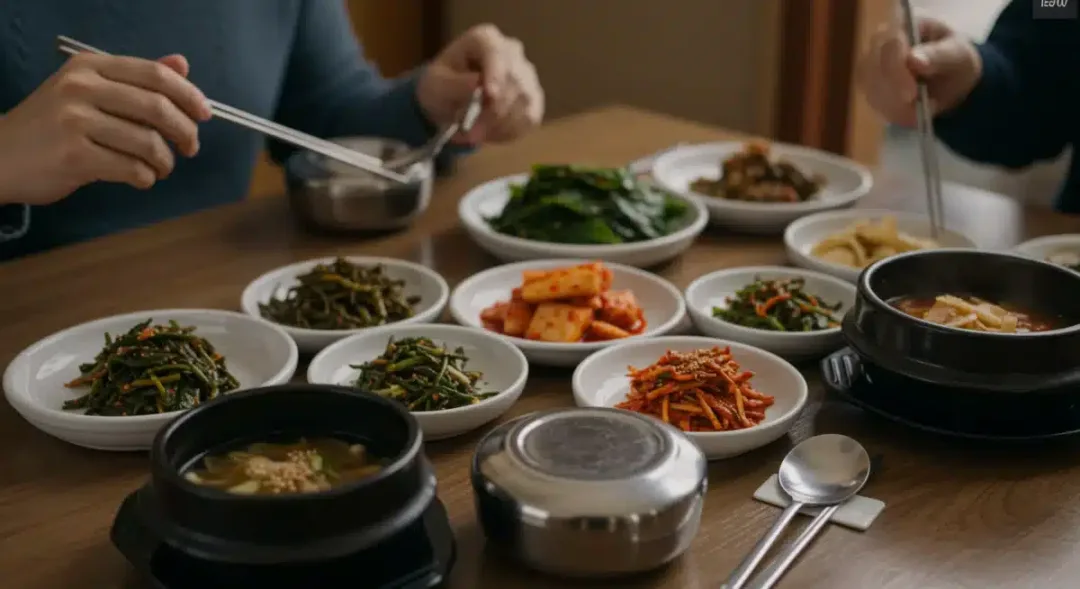
From chopstick etiquette and serving protocols to seating arrangements and toasts, dining in many Asian cultures involves a nuanced set of social manners. These are often simplified in dramas to focus on character interaction rather than detailed cultural instruction, creating dorama cultural misconceptions.
A deeper understanding of these dining customs enhances appreciation of the social fabric and respect embedded within meal times. The on-screen casualness is often a narrative shortcut, not a complete representation of true dining practices.
| Key Misconception | Reality Clarified |
|---|---|
| Idealized Romance | Real relationships are more pragmatic, balancing tradition and personal choice. |
| Absolute Parental Control | Parental influence is strong, but modern youth exercise increasing autonomy. |
| Universal Overtime | Work-life balance is gaining traction, not all workplaces are rigid. |
| Limited Culinary Diversity | Asian cuisine is vast, with diverse regional dishes and complex etiquette. |
Frequently Asked Questions About Dorama vs. Reality
Do doramas accurately reflect modern Asian society?▼While doramas draw inspiration from real life, they often dramatize or idealize situations for entertainment. They offer a glimpse into cultural values and trends but should not be taken as a complete or literal representation of daily life in Asian societies.
Why do doramas often portray such intense academic pressure?▼Academic excellence is highly valued in many Asian cultures, and education systems can be very competitive. Doramas often highlight this pressure to create relatable narratives of struggle and aspiration, though the intensity can be exaggerated for dramatic effect.
Are all romantic relationships in Asia as conservative as depicted in doramas?▼Dorama romances often lean towards idealized or conservative portrayals to appeal to a broad audience. In reality, romantic relationships, especially among younger generations in urban areas, are more diverse and can include varying levels of public affection and directness.
How significant is family influence in real Asian cultures compared to dramas?▼Family influence and filial piety are deeply rooted cultural values. While parents often play a significant role in major life decisions, modern Asian societies are also seeing a growing emphasis on individual choice and negotiation within family structures, beyond absolute control.
What is the biggest takeaway for U.S. viewers watching doramas?▼The biggest takeaway is to enjoy doramas as engaging entertainment while recognizing they are fictionalized narratives. Viewers should seek additional resources to gain a comprehensive and nuanced understanding of the rich and diverse Asian cultures they portray.
Perspectives
Understanding the distinctions between Dorama vs. Reality: 4 Cultural Misconceptions Clarified for U.S. Viewers in 2026 is crucial for fostering genuine cross-cultural understanding. As doramas continue their global ascent, a critical viewership, informed by accurate cultural context, will enhance appreciation and prevent superficial judgments. Moving forward, audiences should engage with these narratives not just for entertainment, but as a gateway to deeper cultural literacy, recognizing the artistic liberties taken while valuing the underlying societal reflections.