The growing role of AI in global logistics and supply chain optimization
Advertisements
The growing role of AI in global logistics optimizes operations, enhances efficiency, improves data analytics, and contributes to sustainability while also presenting challenges in adoption.
The growing role of AI in global logistics and supply chain optimization is becoming increasingly crucial as businesses seek efficiency and agility. Have you ever wondered how AI can streamline processes and enhance decision-making? This article explores the significant impacts of AI on logistics.
Understanding AI in logistics
Understanding AI in logistics is essential for businesses aiming to enhance efficiency and reduce costs. With the rise of technology, companies are increasingly turning to AI to streamline their operations.
What is AI in Logistics?
Artificial intelligence refers to the simulation of human intelligence in machines that are programmed to think and learn. In logistics, this means using algorithms and data analysis to make informed decisions.
How AI Enhances Logistics
AI can enhance logistics in several ways, including:
Improving demand forecasting accuracy Streamlining route optimization for delivery Automating warehouse operationsThese improvements lead to better resource management and allow businesses to respond swiftly to market changes.
Benefits of AI in Logistics
The benefits of implementing AI technology in logistics are vast. Companies can:
Reduce operational costs Increase speed and accuracy of deliveries Enhance customer experiencesFor instance, companies using AI can predict delays and allocate resources more effectively, proving that AI in logistics is not just an option—it’s a necessity.
As the logistics industry continues to evolve, AI plays a crucial role in adapting to new challenges. By harnessing the power of data, companies can refine their strategies and ensure they stay ahead of the competition.
Key benefits of AI-driven supply chains
Recognizing the key benefits of AI-driven supply chains is crucial for organizations looking to maximize efficiency and innovate their operations. Implementing AI technologies can significantly reshape how supply chains function.
Enhanced Efficiency
AI can automate routine tasks, leading to increased operational efficiency. By utilizing machine learning algorithms, businesses can analyze vast amounts of data quickly, which improves decision-making speed. This efficiency translates into faster processing times and reduced delays.
Improved Forecasting
Demand forecasting is critical in supply chain management. AI enhances this by analyzing historical data and predicting future trends accurately. This helps businesses:
Meet customer demands more effectively Minimize excess inventory Avoid stockoutsAs a result, companies can respond proactively to market changes, ensuring they are prepared for what’s next.
Cost Reduction
Implementing an AI-driven supply chain helps reduce costs in several areas. By optimizing routes, companies save on fuel expenses. AI also decreases labor costs through automation, allowing human workers to focus on higher-value tasks. Inventory management becomes more refined as well, cutting storage costs.
With better visibility into operations, businesses can quickly identify inefficiencies and address them, further driving down costs.
Enhanced customer satisfaction is another notable advantage. When supply chains are optimized through AI, customers receive their products faster and more reliably. This improves overall experience, fostering brand loyalty.
Real-world AI applications in logistics
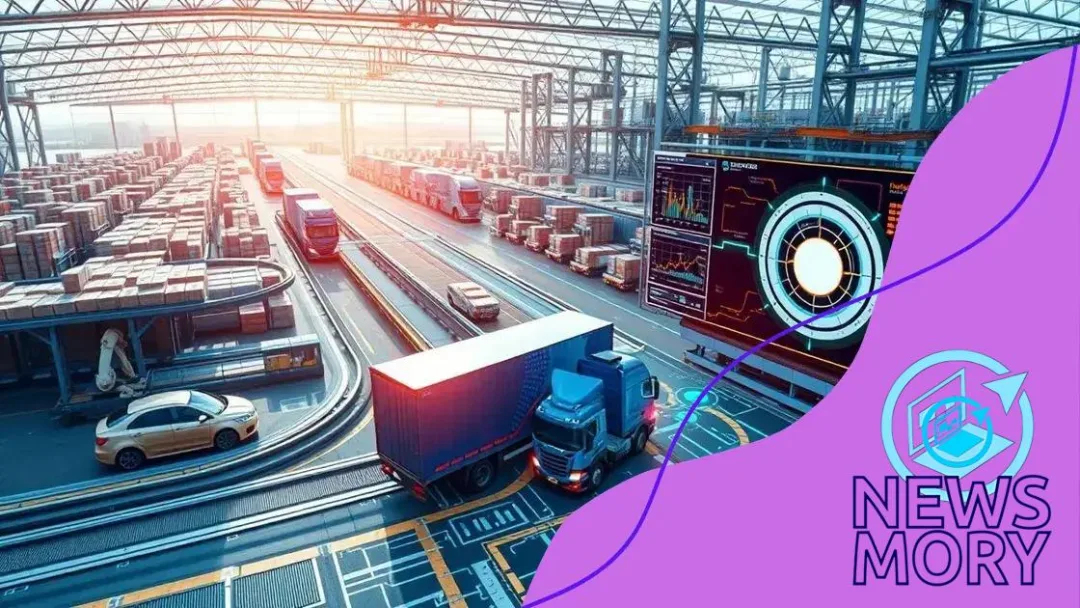
Real-world AI applications in logistics are transforming the industry, turning theoretical concepts into practical solutions. Companies across the globe are leveraging AI to optimize their supply chain operations.
Automated Warehousing
One of the most notable use cases is in automated warehousing. AI-enhanced systems can manage inventory with minimal human intervention. These systems use algorithms to track stock levels and predict when items need to be restocked, allowing for smoother operations.
Smart Route Optimization
Another significant AI application is smart route optimization. By analyzing traffic patterns and delivery data, AI can determine the best routes for delivery trucks. This helps companies:
Reduce fuel consumption Speed up delivery times Improve customer satisfactionAs a result, businesses can save money and increase efficiency by avoiding high-traffic areas and delays.
Predictive Analytics
Predictive analytics is another powerful tool in logistics. By analyzing historical data, AI can forecast future demands, allowing businesses to adjust their inventory strategies accordingly. This proactive approach minimizes waste and ensures that products are available when customers need them.
For instance, retailers can avoid stockouts during peak shopping seasons by accurately anticipating demand through AI insights.
Furthermore, AI applications in logistics extend to enhancing the customer experience. Chatbots can provide real-time shipping updates and handle inquiries, improving communication between customers and logistics providers. Overall, the integration of AI into logistics offers numerous advantages, ensuring companies remain competitive in a rapidly evolving marketplace.
Challenges in adopting AI technologies
Adopting AI technologies in logistics comes with various challenges that companies must navigate to fully realize the benefits. Understanding these obstacles helps organizations prepare for a smoother transition.
High Initial Costs
One significant challenge is the high initial costs associated with implementing AI systems. Businesses need to invest in technology, software, and training. This financial burden can deter smaller companies from adopting AI solutions. Companies must carefully assess their budgets and consider long-term gains against immediate spending.
Data Quality and Integration
Data quality is another critical concern. For AI systems to function effectively, they require clean, well-organized data. Companies may struggle with:
- Inconsistent data formats
- Data silos that hinder integration
- Inaccurate or outdated information
Addressing these issues is essential to ensure that AI delivers reliable insights and outcomes.
Workforce Resistance
Human factors can also pose challenges. Employees may resist adopting new technologies due to fear of job displacement or lack of understanding of AI benefits. Providing training and clear communication is vital. Businesses should engage their employees in the transition process to foster a positive attitude towards new technology.
Moreover, organizations should ensure that their workforce is equipped with the skills needed to work alongside AI. This not only enhances efficiency but also boosts employee morale.
Finally, keeping up with rapid advancements in AI technology can be overwhelming. Companies must stay informed and adapt continuously to remain competitive, which requires ongoing investment and commitment.
Future trends of AI in global logistics
The future trends of AI in global logistics are exciting and full of potential. As technology advances, logistics companies are poised to evolve and improve efficiency through AI innovations.
Increased Automation
Automation will continue to rise, with AI systems managing more tasks in warehouses and during transportation. This shift enables workers to focus on higher-value activities. AI-powered robotics can handle sorting, packing, and even deliveries. Automation improves speed and accuracy, which is essential in today’s fast-paced market.
Enhanced Data Analytics
Next, expect significant advancements in data analytics. AI will enable logistics companies to harness large data sets effectively. By analyzing trends and patterns, businesses can make smarter decisions. For example, predictive analytics will help anticipate demand changes, allowing companies to adjust their strategies proactively.
Sustainability Initiatives
AI will also play a crucial role in sustainability efforts. Through optimizing routes and load management, companies can reduce their carbon footprints. Moreover, AI can help monitor energy use in warehouses and transportation, leading to more eco-friendly practices. These initiatives not only benefit the environment but also appeal to increasingly conscious consumers.
Additionally, collaboration and integration will likely become more significant in the logistics ecosystem. AI can facilitate information sharing among various parties in the supply chain. This improved collaboration enhances visibility and efficiency, leading to better service for customers.
Furthermore, the role of AI in decision-making will grow, with more businesses relying on AI insights for daily operations. As AI technologies advance, the logistics industry stands to benefit dramatically, ensuring that companies can meet the demands of a changing world.
| 📊 Benefit | 🔑 Description |
|---|---|
| Improved Efficiency | AI automates tasks, allowing faster operations. |
| Enhanced Data Analysis | AI analyzes large data sets effectively for better decision-making. |
| Sustainability | AI optimizes routes and reduces waste, benefiting the environment. |
| Improved Collaboration | AI facilitates information sharing across the supply chain. |
| Future Readiness | Companies adopting AI are better prepared for market changes. |
FAQ – Frequently Asked Questions about AI in Global Logistics
How can AI improve efficiency in logistics?
AI can automate routine tasks and optimize processes, allowing logistics companies to operate faster and reduce errors.
What are some real-world applications of AI in logistics?
AI is used in automated warehousing, smart route optimization, and predictive analytics to enhance supply chain management.
How does AI contribute to sustainability in logistics?
AI optimizes delivery routes and inventory management, reducing waste and carbon footprints while promoting eco-friendly practices.
What challenges might companies face when adopting AI technologies?
Challenges include high initial costs, data quality issues, workforce resistance, and the need for continuous training and updates.
Read more content