Decoding Dorama Tropes: 10 Common Storylines and Their 2026 Variations
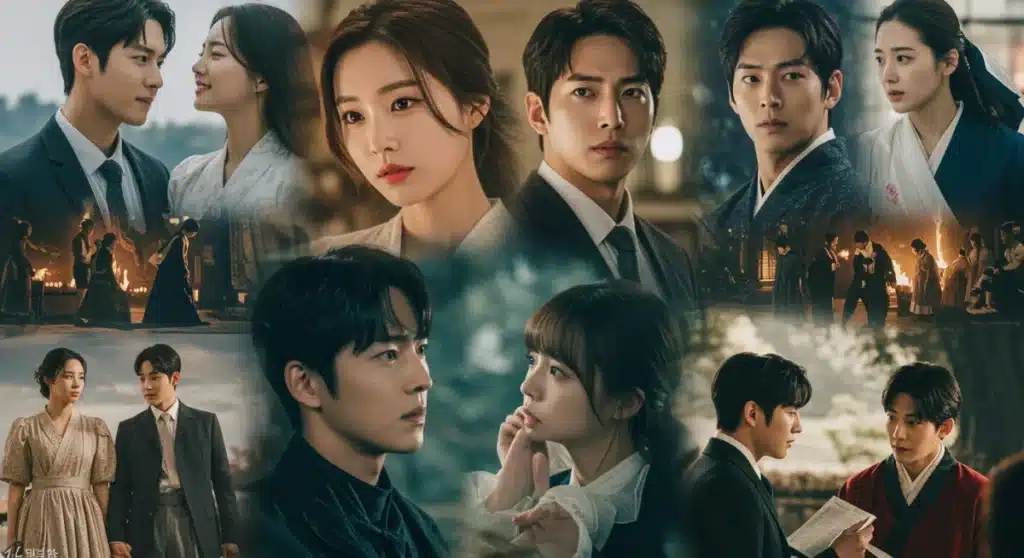
The landscape of dorama narratives is continually evolving, with dorama tropes 2026 showcasing significant shifts.
This analysis delves into 10 common storylines, examining how they adapt to contemporary audiences and cultural nuances.
Understanding these variations provides insight into the future direction of popular Asian dramas.
Advertisements
The landscape of dorama narratives is continually evolving, with dorama tropes 2026 showcasing significant shifts.
This analysis delves into 10 common storylines, examining how they adapt to contemporary audiences and cultural nuances.
Understanding these variations provides insight into the future direction of popular Asian dramas.
Advertisements
The world of doramas, encompassing South Korean, Japanese, Chinese, and other Asian dramas, continues to captivate global audiences with its compelling narratives and distinct storytelling. As we approach 2026, the evolution of familiar plot devices, or tropes, becomes increasingly apparent. This exploration into Decoding Dorama Tropes: 10 Common Storylines and Their 2026 Variations offers a comprehensive look at how these foundational elements are being reinterpreted, subverted, and modernized to resonate with a diverse and ever-changing viewership.
From the timeless ‘rich CEO, poor girl’ romance to intricate revenge plots and fantastical elements, dorama tropes serve as both comforting anchors and dynamic canvases for creative expression. Understanding these shifts is crucial for fans and industry observers alike, as they reflect broader societal changes and emerging storytelling trends. This article aims to provide a clear, factual analysis of these evolving narratives, highlighting what to expect in the coming years within the dorama landscape.
The Enduring Appeal of Classic Dorama Tropes
Classic dorama tropes have long formed the backbone of many beloved series, providing familiar frameworks that audiences cherish. These established storytelling devices offer a sense of comfort and predictability, drawing viewers into narratives they can easily connect with.
While some critics might view tropes as formulaic, their continued popularity underscores their effectiveness in conveying universal themes such as love, sacrifice, ambition, and redemption. The emotional resonance of these storylines remains a powerful draw, transcending cultural boundaries.
However, the dorama landscape is not static; it constantly adapts to reflect contemporary values and storytelling demands. The enduring appeal of these tropes is increasingly tied to how creatively they are re-imaginered and integrated into fresh, modern contexts, particularly within the dorama tropes 2026. This constant evolution keeps the genre vibrant and relevant.
The “Rich CEO, Poor Girl” Trope: A 2026 Reimagining
The “rich CEO, poor girl” trope has been a cornerstone of dorama romance for decades, often featuring a cold, powerful male lead falling for a kind-hearted, struggling female protagonist. This dynamic frequently explores themes of class disparity and personal growth, leading to a heartwarming resolution.
In dorama tropes 2026, this storyline is seeing significant variations. Instead of a purely benevolent CEO, male leads are often depicted with more nuanced flaws and personal struggles, making them more relatable and less idealized figures. The female protagonists are increasingly portrayed as ambitious, self-reliant individuals with their own career aspirations and agency, rather than simply being passive recipients of the male lead’s affection.
Beyond Financial Disparity: Emotional Wealth
The focus is shifting from mere financial disparity to a contrast in emotional wealth and personal background. Characters from different social strata might connect over shared values or psychological complexities, rather than just their economic situations. This allows for deeper character development and more intricate relationship dynamics that resonate with modern viewers seeking more substantial narratives.
Empowered Female Leads and Collaborative Relationships
Female leads are no longer solely defined by their poverty or their ability to soften the male lead. They often possess unique skills, strong opinions, and clear goals, actively contributing to their own success and challenging traditional gender roles. Relationships are becoming more collaborative, with both partners learning from and supporting each other’s growth, reflecting a more egalitarian view of romance in dorama tropes 2026.
The “Contract Relationship” Trope: Modern Arrangements
The “contract relationship” or “fake marriage” trope traditionally involves two individuals entering into a formal agreement for practical reasons, only to genuinely fall in love later. This popular storyline provides ample opportunities for comedic misunderstandings and gradual romantic development.
By 2026, this trope is evolving beyond simple financial or familial obligations. Modern variations often incorporate complex professional alliances, strategic partnerships, or even attempts to navigate societal pressures like inheritance or corporate takeovers. The motivations for entering such contracts are becoming more layered, reflecting contemporary challenges.
Ethical Dilemmas and Personal Growth
Newer iterations of the contract relationship explore the ethical dilemmas and personal growth that arise when individuals must maintain a public facade while developing genuine feelings. This adds a layer of psychological depth, examining the characters’ internal conflicts and their journey toward authenticity. The emotional stakes are often higher, as characters grapple with the consequences of their choices and the blurring lines between pretense and reality.
Diverse Contractual Reasons and Social Commentary
The reasons for entering a contract relationship in dorama tropes 2026 are diversifying. Beyond avoiding arranged marriages or securing inheritances, characters might agree to such arrangements to protect a business, escape public scrutiny, or even fulfill a dying wish. These varied motivations allow for subtle social commentary on modern relationships, corporate culture, and the pressures of public image, enriching the narrative beyond simple romantic entanglement.
Revenge Plotlines: Justice in a New Era
Revenge plots are a staple in doramas, often driven by a protagonist seeking retribution for past injustices, betrayal, or personal tragedy. These narratives typically involve intricate schemes, moral ambiguities, and a dramatic confrontation with the antagonist.
In dorama tropes 2026, revenge is no longer solely about violent retribution. The focus is increasingly on achieving justice through legal means, exposing corruption, or rebuilding one’s life to spite the oppressor. This shift reflects a more mature understanding of justice, where emotional and psychological healing often take precedence over physical harm.
Systemic Injustice and Collective Action
Many contemporary revenge plots address systemic injustices, such as corporate malfeasance, political corruption, or social discrimination. Protagonists often gather allies and work collectively to dismantle oppressive systems, highlighting the power of community and collective action. This moves beyond individual vendettas to broader social impact, making the narratives more relevant to current global issues.
Psychological Warfare and Moral Complexity
The methods of revenge are becoming more sophisticated, involving psychological warfare, intricate manipulation, and strategic dismantling of the antagonist’s power base. Characters often face profound moral dilemmas, blurring the lines between right and wrong and forcing viewers to question the true cost of vengeance. This complexity adds layers to the typical revenge narrative, making it more thought-provoking.
The “Fated Love” Trope: Destiny Meets Free Will
The “fated love” trope posits that two individuals are destined to be together, often through past lives, cosmic connections, or supernatural interventions. This romantic notion appeals to viewers who believe in destiny and soulmates, providing an escapist fantasy.
In dorama tropes 2026, while destiny still plays a role, there’s a stronger emphasis on free will and personal choice. Characters are portrayed as actively choosing their partners, even if fate has brought them together, rather than passively accepting their predetermined path. This dynamic explores the interplay between destiny and individual agency, making relationships feel more earned and realistic.
Modern Interpretations of Past Lives and Connections
Past life connections are often presented with a modern twist, perhaps as shared dreams, recurring motifs, or inexplicable pulls towards certain individuals. These aren’t always explicit magical elements but can be subtle psychological or emotional resonances that deepen the bond between characters. This approach allows for a sense of mystical connection without fully abandoning contemporary realism.
Overcoming Obstacles Through Choice, Not Just Fate
Even when characters are ‘fated,’ they still encounter significant obstacles that require conscious effort, communication, and mutual understanding to overcome. The narrative emphasizes that love, even fated love, requires work and commitment. This variation in dorama tropes 2026 highlights that while destiny might open the door, it’s the characters’ choices that ultimately determine their romantic success, providing a more empowering message.
Time Travel and Reincarnation: New Dimensions
Time travel and reincarnation tropes introduce fantastical elements, allowing characters to revisit past eras, alter historical events, or experience multiple lives. These storylines offer unique narrative possibilities, blending historical drama with modern sensibilities.
By 2026, these tropes are being used not just for romantic entanglement but also for deeper philosophical exploration. Characters might travel through time to prevent environmental catastrophes, correct historical injustices, or understand the cyclical nature of human existence. The stakes are often higher, extending beyond personal relationships to encompass global or societal impact.

Exploring Parallel Universes and Alternate Realities
Beyond linear time travel, some doramas are delving into parallel universes and alternate realities, allowing for exploration of “what if” scenarios and different versions of characters’ lives. This adds a layer of complexity and intrigue, offering viewers multiple perspectives on destiny and choice. The concept of multiple existences becomes a canvas for exploring identity and purpose, a key aspect of dorama tropes 2026.
Reincarnation as a Journey of Self-Discovery
Reincarnation narratives are increasingly focusing on the journey of self-discovery across lifetimes, rather than solely reuniting fated lovers. Characters might carry unresolved issues or talents from past lives, which manifest in the present, guiding them toward a deeper understanding of themselves and their purpose. This makes the reincarnation trope a vehicle for profound personal growth and existential reflection, enriching the narrative beyond simple romance.
The “Love Triangle” Trope: Evolving Dynamics
The classic “love triangle” involves a protagonist torn between two suitors, often representing contrasting personalities or life paths. This trope generates tension, emotional conflict, and keeps audiences guessing about the ultimate romantic pairing.
In dorama tropes 2026, love triangles are moving beyond the simple choice between two ideal partners. They are now often used to explore complex themes like personal growth, self-worth, and the protagonist’s evolving desires. The choice isn’t just about who to pick, but who the protagonist becomes through the process, reflecting a more introspective approach to romance.
Subverting Expectations and Challenging Norms
Modern love triangles frequently subvert traditional expectations, sometimes resulting in the protagonist choosing neither suitor, or even finding happiness outside the conventional romantic pairing. They can also challenge societal norms regarding relationships, exploring polyamory, platonic love, or unconventional partnerships. This reflects a broader societal shift towards diverse relationship models and moves beyond the typical resolution of the love triangle.
Focus on Character Development Over Romantic Resolution
The emphasis is shifting from the ultimate romantic pairing to the individual growth of all three characters involved. Each suitor often contributes to the protagonist’s development, helping them discover their true self or overcome personal challenges. The resolution of the love triangle, therefore, becomes a catalyst for character evolution, rather than merely a declaration of romantic victory, a hallmark of evolved dorama tropes 2026.
Enemies to Lovers: Nuances and Complexity
The “enemies to lovers” trope is a perennial favorite, beginning with characters who harbor intense animosity or rivalry, only for their relationship to gradually transform into deep affection. This trope thrives on witty banter, escalating tension, and the satisfaction of seeing antagonists find common ground.
By 2026, this dynamic is infused with greater nuance and psychological complexity. The animosity often stems from genuine misunderstandings, conflicting loyalties, or systemic issues rather than simple personal dislike. This allows for a more believable transition from antagonism to affection, as characters uncover shared vulnerabilities and deeper connections. The journey of understanding and empathy becomes central to the narrative, enriching the dorama tropes 2026.
Shared Goals and Unlikely Alliances
Contemporary “enemies to lovers” storylines frequently involve characters forced to collaborate on a shared goal, such as solving a mystery, achieving a professional objective, or overcoming a common threat. This forced proximity and mutual dependence break down initial prejudices, revealing underlying respect and attraction. The alliance becomes a crucible for their evolving relationship, showing that common purpose can forge unexpected bonds.
Exploring Trauma and Healing Through Connection
Many modern narratives utilize this trope to explore themes of trauma, healing, and forgiveness. Characters might initially project their past hurts onto each other, only to find solace and understanding through their evolving relationship. The journey from enmity to love becomes a path toward emotional recovery, where mutual support helps them confront their inner demons. This adds significant emotional depth to the familiar storyline, aligning with more mature dorama tropes 2026.
Medical Dramas: Beyond the Operating Room
Medical doramas traditionally focus on the lives of doctors, nurses, and hospital staff, showcasing life-or-death situations, medical breakthroughs, and the personal struggles of those dedicated to saving lives. These series often highlight the ethical dilemmas and emotional toll of the profession.
In dorama tropes 2026, medical dramas are expanding their scope beyond the operating room. They increasingly explore public health crises, the impact of technological advancements on medicine, and the socio-economic factors influencing healthcare access. The narratives often intertwine personal stories with broader societal issues, offering a more holistic view of the medical field.
Technological Integration and Ethical Debates
Newer medical doramas heavily feature cutting-edge technology, from AI diagnostics to advanced robotics in surgery, and explore the ethical implications of these innovations. Questions about human-machine collaboration, data privacy, and the definition of life itself become central to the plot. This brings a futuristic edge to the genre, reflecting real-world advancements and their complex consequences.
Mental Health and Holistic Patient Care
There’s a growing emphasis on mental health and holistic patient care in 2026 medical doramas. Characters often grapple with burnout, PTSD, and the psychological impact of their work, while patient storylines delve into mental illness, chronic conditions, and the importance of emotional well-being. This shift reflects a more comprehensive understanding of health, moving beyond purely physical ailments to encompass the mind and spirit.
Historical Sagas: Authenticity and Modern Perspective
Historical doramas transport viewers to past eras, often depicting royal courts, significant historical events, and the lives of legendary figures. These sagas are known for their elaborate costumes, grand settings, and dramatic portrayals of power, love, and betrayal.
By 2026, historical sagas are balancing historical authenticity with modern perspectives. While still rooted in historical facts and traditional aesthetics, these doramas often feature strong, independent female leads, diverse characters, and narratives that subtly critique past societal norms. The goal is to make history relatable and relevant to contemporary audiences, without sacrificing its rich context of dorama tropes 2026.
Challenging Gender Roles and Social Hierarchies
Many historical doramas now actively challenge traditional gender roles and social hierarchies within their historical settings. Female characters are often depicted as strategists, warriors, or influential figures who defy expectations, while storylines explore the struggles of lower classes and marginalized groups. This offers a fresh, progressive lens through which to view history, resonating with modern calls for equality.
Themes of Corruption and Power Dynamics
Beyond romance and political intrigue, historical sagas are increasingly delving into themes of systemic corruption, the abuses of power, and the complex moral dilemmas faced by historical figures. These narratives often draw parallels with contemporary political landscapes, offering subtle commentary on timeless issues of governance and human nature. The exploration of power dynamics becomes more intricate, showcasing the nuanced struggles within historical contexts, a key element of dorama tropes 2026.
Fantasy and Supernatural: Grounded Realities
Fantasy and supernatural doramas introduce elements like mythical creatures, magical powers, and otherworldly beings into ordinary settings. These series offer escapism and often explore themes of destiny, good versus evil, and the extraordinary within the mundane.
In dorama tropes 2026, while fantasy elements remain central, there’s a trend towards grounding these narratives in relatable human emotions and real-world problems. Supernatural beings might grapple with existential crises, modern societal pressures, or even mental health issues, making their fantastical experiences more resonant and less purely escapist. The blend of the extraordinary with the everyday creates a unique narrative texture.
Supernatural Beings with Human Complexities
Gone are the days of purely ethereal or omnipotent supernatural beings. Modern fantasy doramas portray these characters with human-like complexities, including flaws, vulnerabilities, and internal conflicts. They might struggle with their powers, feel isolated from human society, or yearn for normal lives, making them more empathetic and multidimensional. This humanization makes the fantastical more accessible to viewers.
Fantasy as a Metaphor for Real-World Issues
Many fantasy plots now use their supernatural elements as metaphors for real-world issues, such as environmental concerns, social injustice, or the search for identity. A magical curse might represent societal oppression, or a hidden world could symbolize a marginalized community. This approach allows for creative commentary on contemporary problems through an imaginative lens, making fantasy doramas both entertaining and thought-provoking, showcasing the versatility of dorama tropes 2026.
| Key Trope | 2026 Variation |
|---|---|
| Rich CEO, Poor Girl | Focus on emotional wealth, empowered female leads. |
| Contract Relationship | Complex professional alliances, ethical dilemmas. |
| Revenge Plotlines | Justice through legal means, systemic injustice. |
| Time Travel/Reincarnation | Philosophical exploration, parallel universes. |
Frequently Asked Questions About Dorama Tropes in 2026
Traditional dorama tropes are adapting by incorporating more diverse perspectives, challenging conventional gender roles, and focusing on universal themes like personal growth and social justice. This makes them more relatable and engaging for a wider international audience, moving beyond purely local cultural contexts while reflecting modern dorama tropes 2026.
New themes emerging in 2026 dorama storylines include environmental concerns, the impact of advanced AI and technology on society, complex mental health narratives, and nuanced explorations of power dynamics in various settings. These reflect contemporary global discussions and societal shifts, influencing the evolution of dorama tropes 2026.
Yes, female protagonists in 2026 doramas are increasingly portrayed as empowered, ambitious, and independent figures. They often drive their own narratives, make significant choices, and challenge patriarchal norms, moving away from passive roles. This reflects a growing demand for strong, relatable female characters in all dorama genres, influencing dorama tropes 2026.
Cultural differences significantly influence trope evolution, as each country brings its unique societal values, historical context, and artistic sensibilities. While some universal themes persist, the specific manifestations and interpretations of tropes vary, reflecting diverse cultural nuances and catering to both domestic and international viewers. This rich interplay shapes dorama tropes 2026.
Technology plays an increasingly vital role, from shaping futuristic settings and advanced medical procedures to influencing communication and relationships. AI, virtual reality, and social media are often integrated as plot devices or thematic elements, reflecting technology’s pervasive impact on modern life and storytelling, especially in dorama tropes 2026.
Looking Ahead: The Future of Dorama Storytelling
The continuous evolution of dorama tropes 2026 signifies a dynamic and responsive industry, keen on maintaining relevance and engaging diverse audiences. The move towards more complex characters, nuanced narratives, and socially conscious themes ensures that doramas remain a powerful force in global entertainment.
As creators continue to experiment with established formulas, blending tradition with innovation, viewers can anticipate even more compelling and thought-provoking stories. The future of dorama storytelling promises a rich tapestry of narratives that reflect both timeless human experiences and the ever-changing modern world, enriching the landscape of dorama tropes 2026 and beyond.
This ongoing adaptation ensures that doramas not only entertain but also provoke discussion and offer fresh perspectives on contemporary issues, solidifying their position as a significant cultural phenomenon. The integration of global trends and local specificities will continue to define the unique appeal of dorama tropes 2026.