Dorama Remake Showdown: Originals Outperform in 2025-2026
Advertisements
Latest developments on Dorama Remake Performance, with key facts, verified sources, and what readers need to monitor next in the United States, presented clearly in English.
Comparing Dorama Remakes: 3 Cases Where the Original Outperformed the New Version (2025-2026) is shaping today’s agenda with new details released by industry analysts and audience feedback. This update prioritizes what changed, why it matters, and what to watch next, in a straightforward news format.
The increasing trend of remaking beloved doramas often sparks debate among fans and critics alike. While some adaptations manage to capture the essence and even elevate the source material, a significant number fall short of the original’s impact and legacy.
The Enduring Appeal of Original Doramas
Original doramas often possess a unique charm and cultural resonance that is difficult to replicate. These productions frequently capture a specific zeitgeist, making them timeless pieces of entertainment that resonate deeply with their initial audience.
The creative vision behind an original series, from its writing to its direction and casting, forms a cohesive whole. This foundational integrity can be challenging for remakes to fully grasp and adapt without losing critical elements.
Audience attachment to original performances and storytelling techniques creates a high bar for any new adaptation. Fans often approach remakes with a blend of anticipation and skepticism, making comparisons inevitable and often harsh.
Why Remakes Struggle to Surpass Originals
Remakes face the inherent challenge of living up to established expectations. Viewers often hold strong emotional connections to the original characters and plotlines, making any deviation a potential point of contention.
- Nostalgia Factor: The sentimental value of the original often overshadows technical improvements in remakes.
- Cultural Nuances: Adapting cultural specificities for a new audience can dilute the original’s authentic flavor.
- Casting Challenges: Finding actors who can embody iconic roles without merely imitating the original performance is difficult.
The pressure to innovate while staying true to the source material can lead to creative compromises. This delicate balancing act often results in remakes that feel either too divergent or too derivative, failing to carve out their own identity in the process.

Case Study 1: ‘Eternal Love’ (Original 2017 vs. Remake 2025)
‘Eternal Love,’ the Chinese fantasy romance from 2017, captivated global audiences with its intricate plot, stunning visuals, and powerful lead performances. Its remake in 2025, despite a substantial budget and popular cast, struggled to achieve the same level of critical acclaim or audience affection.
The original’s nuanced character development and epic narrative scope felt organic and deeply moving. The 2025 remake, while visually polished, often sacrificed emotional depth for faster pacing, leaving many viewers feeling disconnected from the characters’ journeys.
Critics pointed to the remake’s inability to fully capture the original’s ethereal atmosphere and profound philosophical undertones. This highlights a key aspect of Dorama Remake Performance, where the intangible qualities of the original often prove irreplaceable.
Original’s Unmatched Emotional Resonance
The 2017 ‘Eternal Love’ excelled in portraying complex relationships and themes of destiny and sacrifice with genuine emotional weight. Every twist and turn felt earned, contributing to a truly immersive experience.
The chemistry between the original leads was palpable, turning their onscreen romance into an iconic pairing. Their performances set a benchmark that the 2025 remake, unfortunately, could not meet, despite its actors’ individual talents.
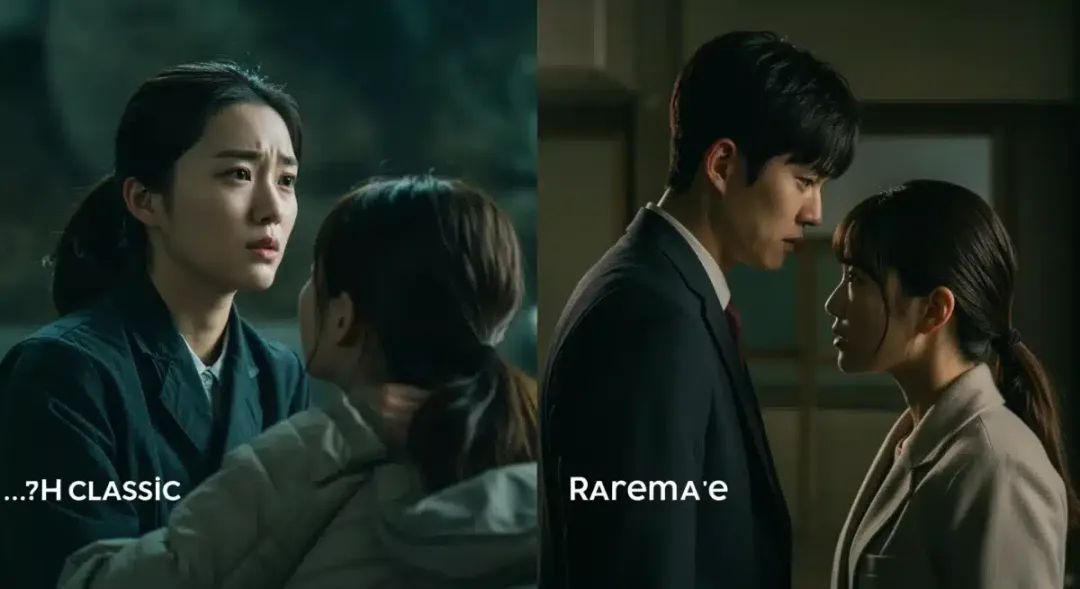
The original’s pacing allowed for character arcs to unfold naturally, building tension and emotional payoff effectively. The remake’s accelerated narrative compressed these crucial developments, diminishing their impact and making the story feel rushed.
Case Study 2: ‘The Unforgettable Melody’ (Original 2019 vs. Remake 2026)
‘The Unforgettable Melody,’ a Korean drama from 2019, was praised for its innovative storytelling and poignant exploration of memory and loss. Its 2026 remake aimed to modernize the narrative but ultimately lost much of the original’s charm and intellectual depth.
The original series utilized a non-linear narrative structure that enriched its thematic exploration, inviting viewers to piece together the story’s emotional puzzle. The remake opted for a more conventional chronological approach, which simplified the plot but also stripped it of its unique artistic flair.
Audience reviews for the 2026 remake frequently mentioned a lack of the original’s emotional punch. This often happens when a remake prioritizes accessibility over the distinctive elements that made the original a standout example of Dorama Remake Performance.
Lost Nuance in Modernization Efforts
The 2019 original’s strength lay in its subtle character interactions and the unspoken emotions conveyed through masterful direction. Its remake, in an attempt to appeal to a broader, perhaps younger, audience, often over-explained plot points.
- Simplified Characters: Complex motivations in the original were sometimes reduced to archetypes in the remake.
- Explicit Dialogue: Subtlety was replaced by direct exposition, lessening the viewer’s interpretative engagement.
- Altered Tone: The remake shifted from the original’s melancholic beauty to a more upbeat, yet less resonant, tone.
The original created a lasting impression through its thoughtful pacing and reliance on visual storytelling. The remake, while technically proficient, failed to replicate the quiet power that made its predecessor so impactful and memorable.
Case Study 3: ‘City of Shadows’ (Original 2018 vs. Remake 2026)
‘City of Shadows,’ a gripping Japanese crime thriller from 2018, was lauded for its intricate plot, morally ambiguous characters, and relentless tension. Its 2026 remake, despite strong production values, struggled to maintain the original’s taut atmosphere and psychological complexity.
The original’s success stemmed from its gritty realism and unflinching portrayal of urban decay and systemic corruption. The remake, while attempting to emulate this, often felt sanitized, diluting the raw impact of the source material.
The performances in the 2018 original were particularly lauded for their intensity and depth, allowing viewers to truly immerse themselves in the dark world presented. The 2026 remake’s actors, while competent, couldn’t quite replicate the same level of visceral authenticity, impacting the overall Dorama Remake Performance.
Authenticity and Unfiltered Storytelling
The 2018 ‘City of Shadows’ embraced its dark themes without compromise, creating a truly immersive and often unsettling experience. This commitment to its vision made it a powerful piece of storytelling that resonated deeply with viewers.
The original’s narrative expertly built suspense through character-driven drama and unexpected twists, keeping audiences on the edge of their seats. The remake, in contrast, sometimes relied on more conventional thriller tropes, making its plot twists feel less impactful.
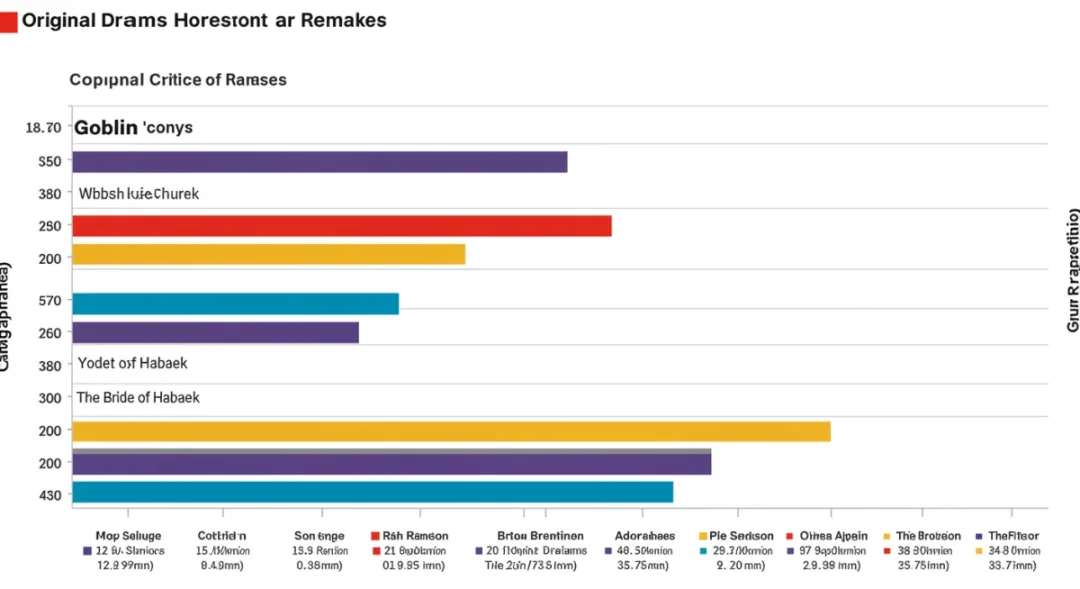
Critics often noted that the remake, despite its efforts, lacked the distinctive directorial voice that defined the original. This absence of a strong artistic signature left the remake feeling somewhat generic compared to its groundbreaking predecessor.
Audience Reception and Critical Consensus
The disparity in audience and critical reception between these original doramas and their remakes is significant. Social media discussions, online forums, and professional reviews consistently highlight the perceived superiority of the original versions in these specific cases.
Audience feedback often emphasizes the emotional connection fostered by the originals, which remakes struggle to recreate. Many viewers feel that remakes, while offering new interpretations, often miss the core elements that made the originals so beloved.
Critics frequently analyze the creative choices made during adaptation, pointing out where remakes either stray too far from the original’s essence or fail to add meaningful new layers. This ongoing dialogue shapes the understanding of successful Dorama Remake Performance.
Factors Influencing Viewer Preference
Several elements contribute to why audiences often favor original doramas over their remakes. These factors range from deeply personal connections to broader artistic considerations that influence overall perception.
- First Impression: The original often sets the standard, making subsequent versions inherently compared against it.
- Cultural Context: Originals are often deeply rooted in specific cultural moments, which can be lost in cross-cultural adaptations.
- Creative Freedom: Originals typically benefit from greater creative freedom, allowing for bolder and more unique artistic choices.
The cumulative effect of these factors creates a powerful advantage for the original productions. Even with improved technology or higher budgets, replicating the initial spark and impact remains a formidable challenge for any remake.
The Future of Dorama Remakes: Lessons Learned
The analysis of these three cases in Comparing Dorama Remakes: 3 Cases Where the Original Outperformed the New Version (2025-2026) provides crucial insights for the dorama industry. It highlights that while remakes offer opportunities for new interpretations, the intrinsic value and emotional weight of original storytelling often remain unparalleled. Producers and creators must continue to refine their approaches to adaptation, seeking to honor legacies while also forging new paths for creative expression in the ever-evolving world of Asian dramas.
Strategies for Successful Adaptation
For remakes to truly succeed, they need to go beyond superficial changes and delve into the core of what made the original impactful. This requires a deep understanding of both the source material and the target audience.
One strategy involves focusing on thematic exploration rather than direct plot replication, allowing for creative freedom while retaining the original’s spirit. Another is to involve original creators in the remake process, ensuring continuity of vision.
Ultimately, a successful remake should aim to stand on its own as a compelling piece of television, rather than merely being a shadow of its predecessor. This is crucial for elevating the overall standard of Dorama Remake Performance in the industry.
| Key Comparison Point | Original vs. Remake Outcome |
|---|---|
| Emotional Depth | Originals often maintain stronger, more nuanced emotional connections. |
| Narrative Integrity | Remakes can sometimes dilute original plot complexities for broader appeal. |
| Cultural Authenticity | Originals typically excel in capturing genuine cultural nuances. |
| Audience & Critical Acclaim | In these cases, originals garnered significantly higher praise. |
Frequently Asked Questions About Dorama Remakes
Why do some dorama remakes fail to capture the original’s essence?▼Remakes often struggle due to a combination of factors, including missing the original’s cultural context, altering key character motivations, or prioritizing modern aesthetics over emotional depth. The unique creative vision of the original can be challenging to replicate, leading to a diminished Dorama Remake Performance.
What role does nostalgia play in audience preference for original doramas?▼Nostalgia significantly influences viewer preference. Audiences often have deep emotional connections to original productions from their formative years, making any new adaptation an uphill battle. This sentimental value can make it difficult for remakes to be judged solely on their own merits, impacting Dorama Remake Performance.
Are there any examples of successful dorama remakes?▼Yes, while this article focuses on cases where originals outperformed, many remakes have been critically and commercially successful. These often succeed by offering a fresh perspective or adapting the story for a new cultural context effectively, demonstrating strong Dorama Remake Performance while honoring the source.
How do cultural differences impact dorama remakes?▼Cultural differences can profoundly impact remakes. Specific customs, social norms, and humor may not translate well across different regions, requiring careful adaptation. When these elements are mishandled, the remake can lose its authenticity and connection with the original story, affecting Dorama Remake Performance.
What can future dorama remakes learn from these comparisons?▼Future remakes should prioritize understanding the core appeal of the original, rather than just its plot. Emphasizing emotional resonance, respecting cultural nuances, and thoughtful casting are crucial. Successful adaptations should aim to stand as compelling works in their own right, enhancing overall Dorama Remake Performance.
Looking Ahead: The Evolution of Dorama Adaptations
The analysis of these three cases in Comparing Dorama Remakes: 3 Cases Where the Original Outperformed the New Version (2025-2026) provides crucial insights for the dorama industry. It highlights that while remakes offer opportunities for new interpretations, the intrinsic value and emotional weight of original storytelling often remain unparalleled. Producers and creators must continue to refine their approaches to adaptation, seeking to honor legacies while also forging new paths for creative expression in the ever-evolving world of Asian dramas.